How to Assess Daily Support Needs at Home for a Senior Loved One
When a parent or spouse begins to struggle with everyday tasks at home, it can be hard to know exactly what kind of help they need. You may notice small signs: a pile of unopened mail, a missed shower, or a cluttered hallway that once was tidy. These clues point to something deeper than a messy house. They suggest that the person may need support with activities that keep them safe, clean, fed, and engaged.
Figuring out the right level of daily support means looking closely at what a person can still do on their own and where they are starting to struggle. This is not a one-time assessment. Needs change with health, energy, and the seasons. A good checklist helps you see the full picture without guessing. The goal is to maintain independence for as long as possible, while making sure the environment is safe and the person is cared for.
Start with the basics: activities of daily living
The most common framework for assessing daily support needs revolves around activities of daily living, or ADLs. These are the fundamental tasks that people do every day to take care of themselves. The six core ADLs are bathing, dressing, toileting, transferring (moving from bed to chair and back), continence management, and eating. If a person struggles with any of these, they likely need hands-on help from a caregiver.
When you check each one, think about the person's usual routine, not a single bad day. Ask yourself: can they bathe safely without slipping or forgetting steps? Do they manage buttons and zippers without frustration? Can they get out of bed and walk to the bathroom without assistance? If the answer is no, or if it requires a lot of effort, then support is needed.
For a senior living at home, a decline in these basic skills is often gradual. You might not notice until a fall or an infection happens. That is why a regular review matters. A professional Home Care Agency can assess these areas and provide help that fits the person's current abilities.

Mobility support: moving around the home safely
Even if a person can manage the basic ADLs, mobility issues can make the home a dangerous place. Look at how they move from room to room. Do they hold onto walls or furniture for balance? Are rugs or cords in the walking path? Is the lighting bright enough at night? These small factors can turn a simple trip to the kitchen into a fall risk.
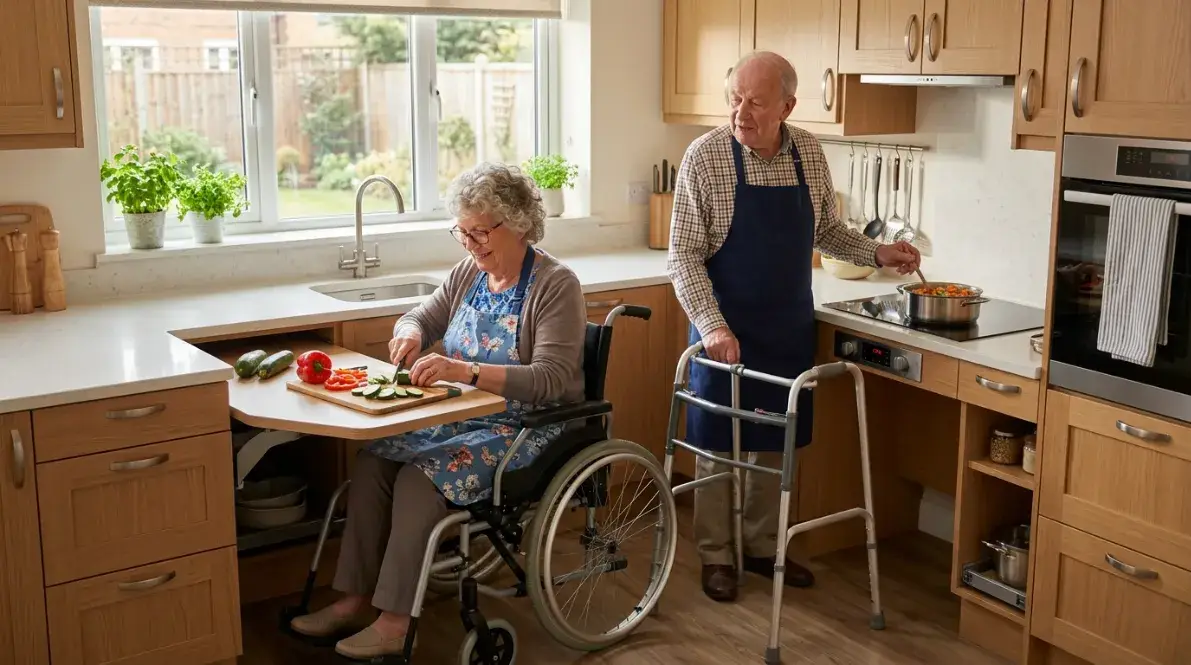
Check for signs of unsteadiness: shuffling steps, a wide gait, or reaching for support when turning. If the person uses a walker or cane, make sure it fits properly and is in good condition. Also consider the layout of the home. A narrow hallway or a step up into the bathroom can be a hazard.
Mobility support may mean adding grab bars in the shower, clearing clutter, or rearranging furniture to create clear pathways. Sometimes it means having someone nearby to walk with the person during certain times of day. This kind of help can prevent a fall that would lead to a hospital stay and a loss of independence.
Bathing assistance and dressing help
Bathing is often one of the first activities that becomes difficult. The fear of slipping on a wet floor, the effort of getting in and out of the tub, and the physical strain of washing hard-to-reach areas can lead a person to skip baths entirely. That can cause skin problems, infections, and social withdrawal.
When assessing bathing needs, look at the bathroom setup. Is there a step over the tub? Are there grab bars? Does the person have a shower chair or a handheld sprayer? If not, those are simple additions that can make a big difference. But even with those, some seniors need help washing or drying because they cannot reach their back or feet.
Dressing help is similar. A person who cannot raise their arms may struggle with pullover shirts. Someone with stiff fingers may have trouble with buttons and zippers. Loose-fitting clothes with elastic waistbands are easier, but even then, a person may need help with socks, shoes, or fasteners. The key is to notice frustration or avoidance. If a person wears the same clothes every day or skips changing, dressing help may be needed.
Grooming and fall prevention
Grooming goes beyond appearance. Brushing teeth, combing hair, shaving, and nail care affect health and dignity. Poor oral hygiene can lead to dental pain and infections. Untrimmed toenails can cause ingrown nails or make walking painful. A person who cannot groom themselves may also miss early signs of skin problems or foot issues.
Assess grooming by watching how a person handles a toothbrush, comb, or nail clippers. If they cannot grip these tools or see what they are doing, they may need help. A caregiver can assist with these tasks or set up a routine where the person does what they can and gets help with the rest.
Fall prevention overlaps with mobility support but deserves its own look. Check the home for tripping hazards like loose rugs, electrical cords, and low furniture. Look at the floor for uneven surfaces. Make sure the person wears shoes with good grip, not slippers that slide off. Nightlights in the hallway and bathroom can prevent midnight falls. If the person has had a recent fall or near-fall, that is a strong signal that more support is needed.
Care schedule: matching help to daily rhythms
Once you know where help is needed, the next question is when. A care schedule should match the person's natural daily rhythm. Some seniors need help in the morning with bathing and dressing, then are fine on their own until evening. Others need someone around at mealtimes or during the night if they get up to use the bathroom.
Think about the person's routine before deciding on a schedule. Do they always shower in the morning? Do they eat lunch alone? Do they feel anxious at night? A flexible schedule that adapts to these patterns works better than a rigid one. A Home Care Agency that provides in-home care can tailor visits to the person's specific times of need, rather than forcing a standard block of hours.
It also helps to consider the caregiver's own limits. If a family member is providing the majority of support, burnout is a real risk. A shared schedule that brings in professional help for certain tasks or certain days can keep the whole system sustainable.

Putting it all together
Assessing daily support needs is not a one-time checklist. It is an ongoing conversation between the senior, the family, and any professionals involved. Start with the basics of daily living, then look at mobility, safety, grooming, and timing. Write down what you observe and update it every few months or after any health change.
Remember that the goal is not to take away independence but to support it. The right help at the right time can let a person stay in their own home longer, with dignity and safety. If you find gaps that you cannot fill yourself, reaching out to a local home care agency can provide the missing pieces. They bring trained staff who know how to handle these tasks without taking over the person's life.
The process can feel overwhelming at first, but breaking it into these practical areas makes it manageable. Start with one area, like bathing or mobility, and build from there. Each step you take brings more peace of mind for everyone involved.
Ends · HOMESUPPORTNOTES